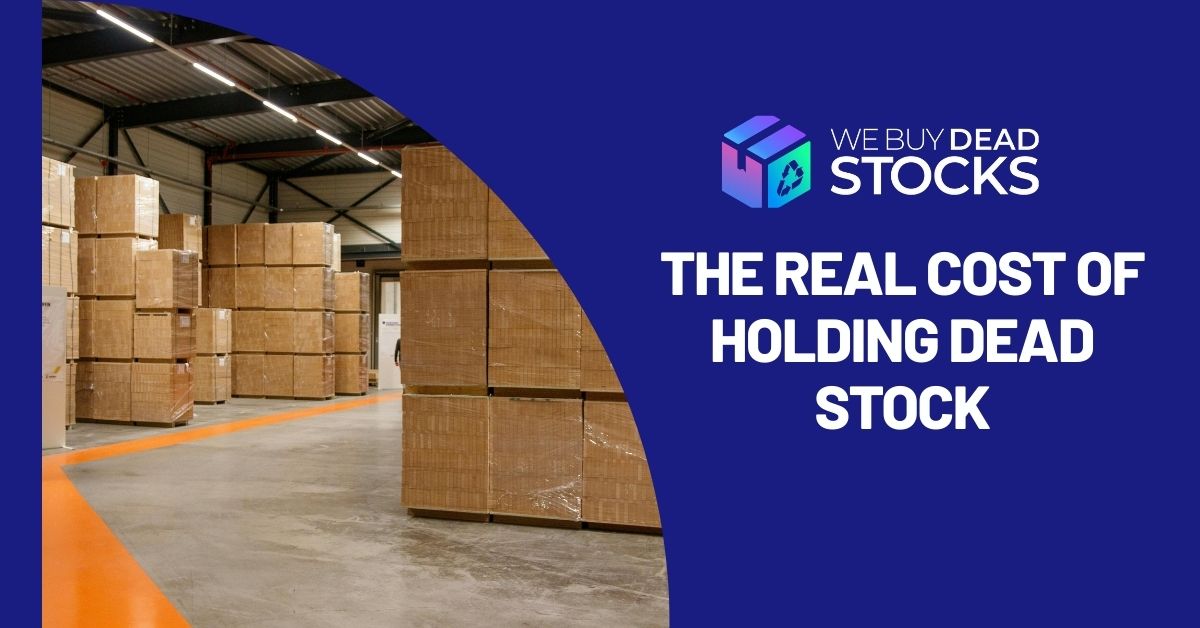
The Real Cost of Holding Dead Stock and How to Turn It Into Cash
Unsold inventory might not raise alarms at first, but over time, it becomes a silent business risk. These items take up space, lock away capital, and slowly reduce your profits.
Still holding on, hoping it will sell one day? That delay could be costing you more than you think. This guide explains the real cost of holding dead stock, what it does to your business, and how to turn it into cash quickly.
What Is Dead Stock and Why It Is Not Just Old Inventory
Dead stock includes products you cannot or do not sell at full value. It may include:
- Obsolete or outdated goods
- Discontinued product lines
- Excess inventory sitting beyond 6 to 12 months
- Seasonal items from previous cycles
- Damaged or returned products with poor packaging
While the condition may vary, the impact is the same. It is inventory that costs more to hold than it returns.
The Cost of Holding Dead Stock
Dead stock does not just sit in storage. It creates ongoing costs that affect your cash flow and operations.
1. Locked Up Cash
Inventory requires upfront investment. When it does not sell, your cash remains tied up in non-performing stock. This limits your ability to reinvest in your business.
2. Storage Costs
Warehouse space has a cost. Whether rented or owned, space used by unsold stock reduces room for products that generate revenue.
3. Risk of Damage or Loss
The longer inventory sits, the higher the chance of damage, loss, or reduced usability.
4. Operational Slowdown
Dead stock creates clutter. It affects picking efficiency, inventory tracking, and overall workflow.
5. Missed Opportunities
Holding unsold inventory means losing the chance to stock items that can sell faster. This impacts overall business performance.
Understanding these costs helps you make better decisions about clearing unused inventory.
How to Turn Dead Stock Into Cash
1. Review Your Inventory
Identify items that have not moved for more than six months. Focus on discontinued, outdated, or excess stock.
2. Prepare a Clear List
List item names, quantities, and condition. Keep it simple and accurate.
3. Contact a Bulk Buyer
A bulk buyer such as We Buy Dead Stocks can purchase inventory directly without long selling processes.
4. Clear Stock and Recover Value
Once the process is confirmed, inventory is collected and payment is completed. You regain space and recover cash.
Why Businesses Choose We Buy Dead Stocks
- Sell dead stock and excess inventory
- Recover cash from unused products
- Clear warehouse space efficiently
- Avoid long delays in selling
We work with businesses across different industries to help remove non-moving inventory quickly and smoothly.
Frequently Asked Questions
How is dead stock different from slow moving inventory
Dead stock has not sold for an extended period and shows no demand. Slow moving inventory still sells but at a slower rate.
What is the cost of holding dead stock
Costs include storage, tied-up capital, and risk of damage. These costs increase over time.
Can I sell mixed or leftover inventory
Yes. Bulk buyers accept different types of inventory depending on condition and quantity.
How quickly can the process be completed
Timelines vary, but most collections and payments are completed within a few working days.
Turn Dead Stock Into Cash
Holding unsold inventory affects your business over time. Taking action early helps recover value and improve efficiency.
If you want to clear dead stock, We Buy Dead Stocks can help you remove inventory and recover cash quickly.
Contact We Buy Dead Stocks
Website: www.webuydeadstocks.com
Email: info@webuydeadstocks.com
Phone or WhatsApp: +971 50 354 9081
Request a Quote: Contact Us