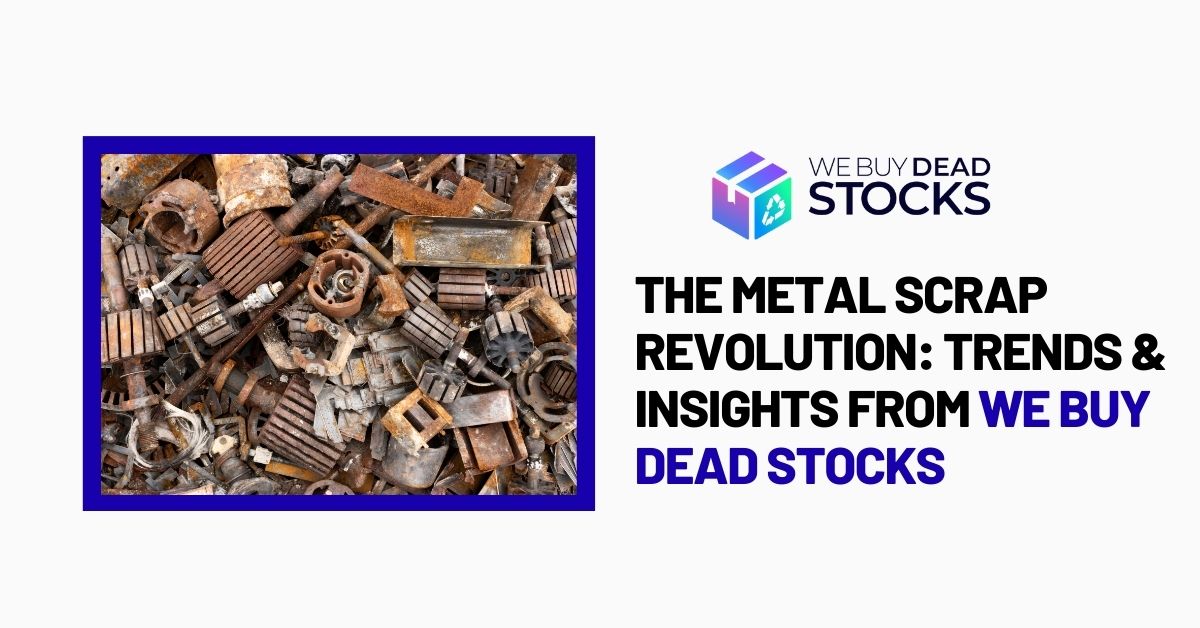
We take you on a riveting tour of the most recent trends in the metal scrap sector in Dubai. The metal scrap in Dubai business has emerged as a key component in the circular economy as the global economy continues to move towards sustainable practices and resource conservation. It is a sector where scrap metal takes new life, promoting both economic development and environmental protection. Our goal is to examine the complex web of variables that influence the development and evolution of this sector. We'll also look at the crucial part that We Buy Dead Stocks has played in promoting these revolutionary changes as a used stock buyer for years!
Introduction: Dubai's Metal Scrap Landscape
Dubai's economy heavily relies on metal scrap. It is not just a waste product; rather, it is an important resource that supports the development and sustainability of the city in a number of ways:
- Recycling metal scrap helps to save resources by reducing the demand for mining and the extraction of new raw materials.
- Both firms and individuals profit from the metal scrap industry's significant earnings and job opportunities.
- Recycling metal saves energy use and greenhouse gas emissions when compared to producing new metal from ores.
Opportunities for Growth
Despite obstacles, Dubai's metal scrap sector presents bright prospects for expansion:
- Technological developments:
Adopting contemporary recycling technology can increase effectiveness and lessen the influence on the environment.
- Diversification:
Expanding business horizons can be accomplished by investigating new markets and forms of metal scrap.
- Sustainability Initiatives:
Dubai's dedication to sustainability offers businesses, especially electronic scrap buyer the chance to align with environmentally friendly practices and satisfy growing customer demands.
Key Players in Dubai's Metal Scrap Industry
The metal scrap market in Dubai is characterised by a wide range of players. From modest recycling operations to significant global firms. The following are some of the major players in the sector:
- Metal recycling businesses like We Buy Dead Stocks etc are the backbone of the sector. They are collecting, processing, and exporting various kinds of metal scrap in Dubai. They are essential in guaranteeing the effective recycling and reinclusion of metal waste into the supply chain.
- To cut production costs and lessen their environmental impact, a lot of manufacturers and electronics stock buyers in Dubai use recycled metal. They frequently get their raw materials from nearby recycling plants.
Emerging Trends in the Metal Scrap Industry
Similar to the global market, the metal scrap in Dubai business is undergoing a number of rising changes. These patterns show how flexible the sector is and how it reacts to shifting economic, environmental, and technical circumstances.
- Digital transformation:
To increase productivity, the sector is gradually adopting digital technologies. Inventory control, client relations, and scrap tracking are all done through digital systems. This digitalization enhances transparency and client interaction while streamlining operations.
- E-Waste Recycling:
Recycling of electronic garbage, or "e-waste," is becoming more important as the consumption of electronic gadgets rises. In order to manage e-waste safely, extract valuable metals while minimising environmental impact. Recycling facilities in Dubai are investing in specialised machinery and procedures.
- Urban mining:
As a result of the increase in urbanisation, cities like Dubai are potentially becoming a source of significant metal resources. Recovery of metals from urban surroundings, such as structures, infrastructure, and consumer items, is referred to as urban mining. The ideals of sustainability and resource conservation are in line with this trend.
Blockchain for Transparency:
Blockchain technology is being used to improve traceability and transparency in the supply chain for metal scrap. This can assist in determining the source of scrap materials, assuring legal and moral compliance.
Consumer Sensitivity:
Consumers' increasing environmental consciousness is having an impact on the metal scrap market. Customers are increasingly choosing products made of recycled materials, which is pressuring producers to use recycled metals. The recycling industry may continue to grow as a result of this change in customer preferences.
Dead Stock Buyer Companies' Commitment to Sustainability and Innovation
The business of buying excess or unsold inventory is experiencing a radical transformation in the direction of sustainability and innovation. Companies like "We Buy Dead Stocks" are at the forefront of these changes, leading the way by adopting forward-thinking practices.
Market Dynamics
- Reducing Waste:
Dead stock is discarded in landfills or warehouses. It's a substantial source of waste in the industrial and retail industries. Businesses like "We Buy Dead Stocks" understand the benefits of giving these goods a second life, minimising waste and having a positive impact on the environment.
- Supply Chain Efficiency:
Deadstock can choke supply chains, using valuable resources. By buying excess inventory, used stock buyers streamline these supply chains, enabling companies to reallocate resources and concentrate on their core competencies.
Sustainability Initiatives
- Responsible Disposal:
Businesses like "We Buy Dead Stocks" prioritise using ethical disposal practices. They make sure that goods unfit for resale are recycled or disposed of in a way that has little detrimental impact on the environment.
- Circular Economy:
These businesses make a significant contribution to the circular economy idea. They increase the lifespan of items and lessen the need for new manufacturing by reusing and reselling dead stock, which ultimately conserves resources.
Innovation in Dead Stock Buying
- Technology-Driven Solutions:
"We Buy Dead Stocks" makes use of technology to enhance the evaluation and appraisal of inventories. The value of dead stock is more properly assessed with the aid of AI-driven algorithms, data analytics, and inventory management technologies, enabling fair pricing.
- E-commerce Platforms:
Businesses like "We Buy Dead Stocks" frequently use e-commerce platforms to expand their customer base and increase resale potential. This invention lessens the expense of dead stock by making it simpler for firms to sell their excess inventory.
- Sustainable packing:
When shipping or reselling out-of-stock commodities, these businesses are increasingly using sustainable packing techniques. Utilising environmentally friendly products lessens waste and is consistent with their dedication to sustainability.
Conclusion: We Buy Dead Stocks' Role as a Pioneer
We Buy Dead Stocks stands out as a pioneer in the dead stock buying industry, exemplifying how companies can merge sustainability and innovation effectively. They have redefined market dynamics by offering a viable solution for businesses burdened by excess inventory. Their commitment to sustainability, responsible disposal, and innovation sets them apart:
- Sustainability Leadership:
We Buy Dead Stocks actively promotes sustainability by preventing surplus items from ending up in landfills, contributing to a greener and more environmentally responsible future.
- Advanced Technology Integration:
Leveraging advanced technologies, they employ cutting-edge inventory management and valuation tools, ensuring that both sellers and buyers receive fair value.
- Customer-Centric Approach:
Their e-commerce platform provides a user-friendly experience for both businesses looking to sell dead stock and buyers seeking quality products at discounted prices.
- Transparency and Accountability:
"We Buy Dead Stocks" maintains transparency throughout the process, ensuring that businesses understand how their dead stock is being repurposed or disposed of, fostering trust.
As Dubai continues to evolve as a global hub for various industries, including the metal scrap sector, staying abreast of these emerging trends is essential for businesses and policymakers alike. These trends not only offer opportunities for growth but also contribute to the city's commitment to sustainability and resource efficiency.